Guide ·
Why the same sneaker costs three times more at the next shop
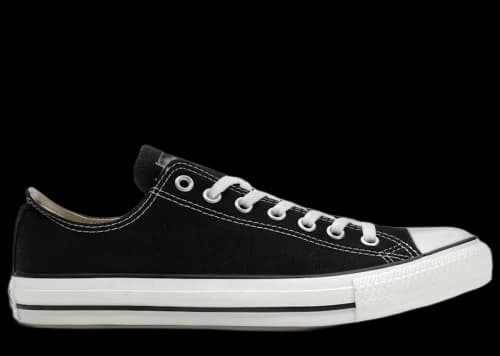
One plain black Chuck Taylor is listed at eleven European shops today. The gap between the cheapest and the dearest listing is far wider than most people would guess — and the cheapest one is not always the one to buy.
We check every shop we track once a day and record what each one lists for the same shoe: the price, whether it is in stock, and which sizes are still there. Put those rows next to each other and a pattern shows up that no single shop's page can tell you.
The lowest price is usually the end of a size run
The cheapest listing is very often a shop clearing the last two or three sizes of a colourway. The number looks spectacular next to the others, but it only exists for the feet it happens to fit. If your size is not among them, that price is not a price you can pay. This is why our product pages show the sizes each shop still has next to its price, and why the size filter matters more than the sort order.
Most shops agree with each other
On a classic that is always in production, most of the shops carrying it land on exactly the same figure, with full size runs and no sale tag. That cluster is the real European price of the shoe. Everything above and below it is the interesting part: a genuine discount, a clearance of odd sizes, or a listing nobody has looked at in a while.
The same retailer is not always the same price
Two country sites belonging to one retail group can list the identical shoe, in a full range of sizes, at prices that are not remotely close to each other. We will not publish a reason we cannot verify — it may be a different seller on the same platform, a different import route, or a listing that was never updated. What we can show you is exactly what each shop says today and the time we read it, so you can judge it yourself.
A crossed-out price is a claim about one shop, not the market
Every shop that discounts shows you what the shoe used to cost there. That number is true and almost useless on its own: it compares a shop to its own past, which is the one comparison that cannot tell you whether you are paying too much today. A forty per cent reduction from a high starting point can land above a neighbouring shop's ordinary price, and a modest-looking ten per cent off a keen price can be the lowest figure on the page. The only discount worth trusting is the one measured against what everybody else is charging right now.
Why we do not tell you which shop is cheapest
It would be a nice, simple thing to publish, and it would be wrong by the weekend. The shop holding the lowest price on a shoe today is frequently mid-table on the next one, because what moves it is a clearance decision about one model rather than a pricing policy across the catalogue. So the offer list is sorted by what each shop asks today, with the date we checked beside it, and no shop is ever promoted for any reason other than its number. When we do start earning commission on some of those links, that ordering does not change and the page will say which links those are.
What to check before you buy
- Your size, in that shop's offer — not just the headline price.
- The time we last checked it. Stock on a clearance size moves in hours.
- The shop's own crossed-out price against what other shops charge, not against itself.
- Whether the cheap listing has one size left or a full run. A full run at a low price is the one worth hurrying for.
Where to see the whole picture:
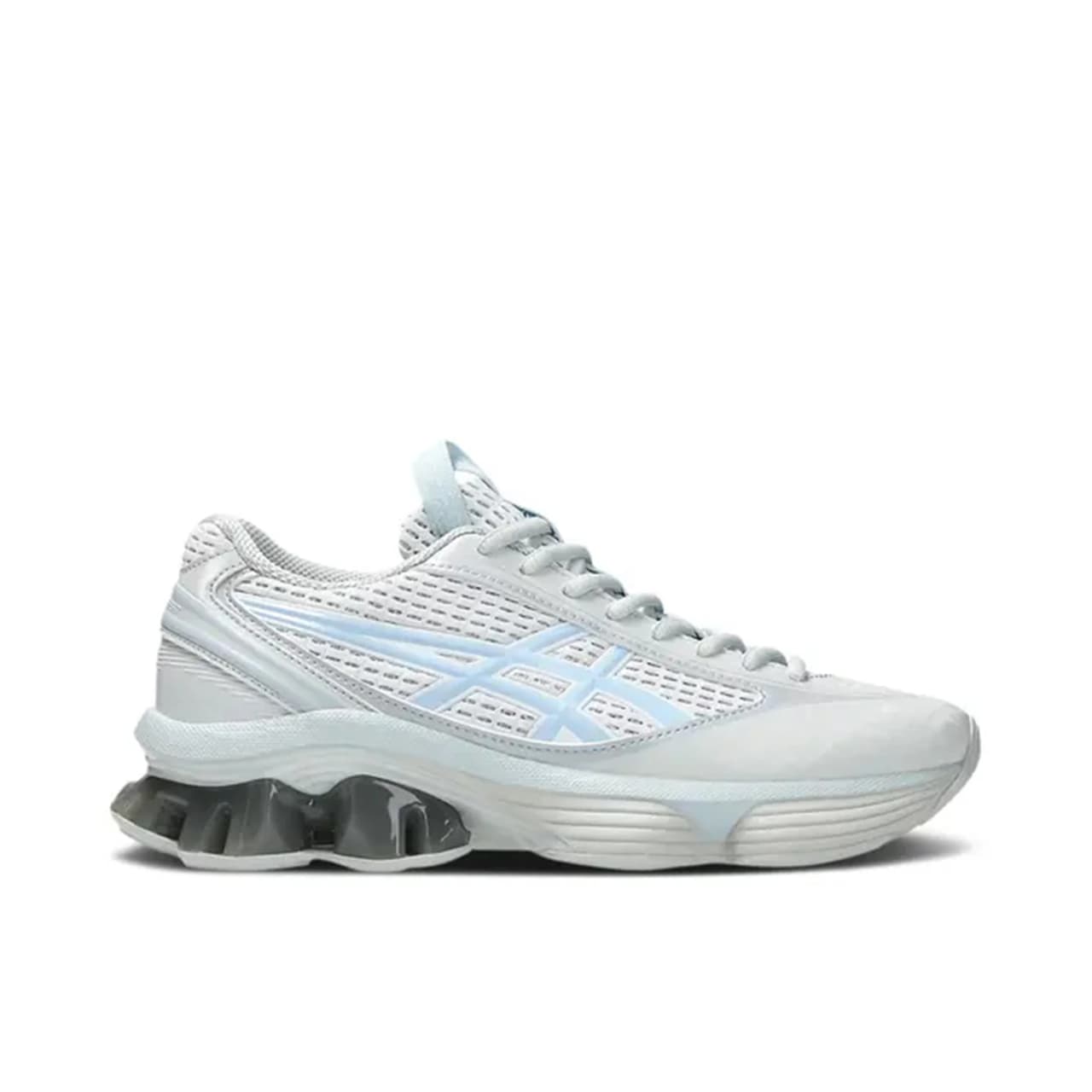
Three shoes where the shops currently disagree the most. Open one to see every shop, its stock and the sizes it still has.